

Fused Silica Precision Lenses vs. Traditional Lenses: The Ultimate Comparison
Jun. 11, 2024
Fused Silica Precision LensesFused Silica Precision Lenses vs. Traditional Lenses: The Ultimate Comparison.
1. What are the main differences between fused silica precision lenses and traditional lenses?
2. What are the advantages of fused silica precision lenses over traditional lenses?
3. In what applications are fused silica precision lenses commonly used?
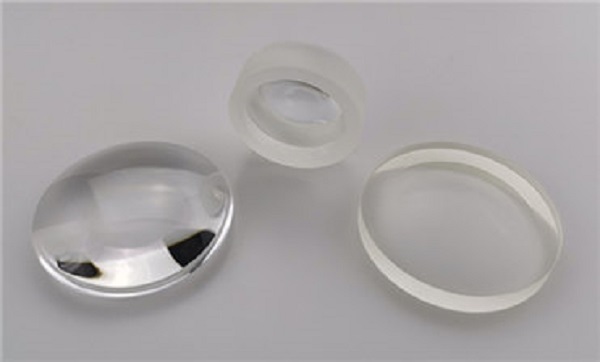
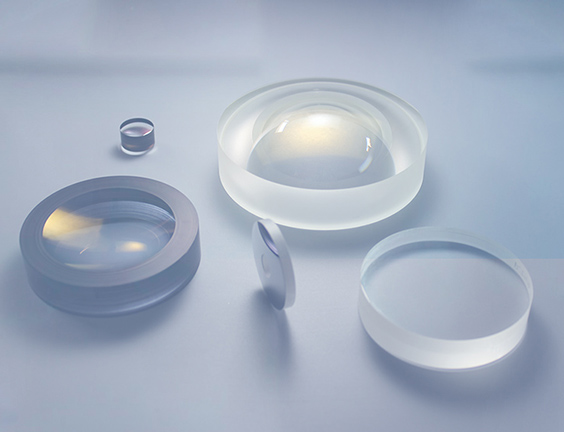
1. Fused silica precision lenses are made from fused silica, which is a type of glass that has extremely low thermal expansion and excellent optical properties. Traditional lenses, on the other hand, are typically made from optical glasses such as BK7 or SF11, which have higher thermal expansion coefficients.
Recommended article:What is the WTD-01 Bending Resistance Tester?
Key Questions to Ask When Ordering Film Viewer with Densitometer: A Comprehensive Guide
What to Know Before Buying a Corner Cube Prism
How Do Two Concave Lenses from China Solve Your Optical Challenges?
Transform Your Space: Discover Why Borofloat Windows Are the Ultimate Solution for Modern Living!
10 Essential Benefits of Using a Mobile Oil Tester (MOT) Kit
The Importance of Cement Testing Machines in Civil Engineering and
2. Fused silica precision lenses have several advantages over traditional lenses. One of the main advantages is their superior thermal stability, which allows them to maintain their optical performance over a wide temperature range. They also have better transmission in the UV and IR spectral regions, making them ideal for applications requiring high optical precision. Additionally, fused silica lenses have low fluorescence and are more resistant to laser damage compared to traditional lenses.
3. Fused silica precision lenses are commonly used in applications that require high precision and stability, such as laser systems, semiconductor inspection, and astronomy. Their low fluorescence and excellent transmission properties make them suitable for use in UV lithography, fluorescence microscopy, and other applications where high optical quality is essential.
Overall, fused silica precision lenses offer superior performance and reliability compared to traditional lenses, making them the preferred choice for demanding optical applications that require high precision and stability.
For more information, please visit Plano Concave Mirrors, optical prisms manufacturer.
Recommended article:Mt Yoke Tester vs Other Top Strength Training Tools
The Benefits of Using Measure Surface Profile: A Comprehensive Guide
Mastering the Art of Utilizing a Thrust Stand for Precise Measurements
Understanding the Power of Cylindrical Lenses and Spherical Lenses in Optics
The Evolution of Digital DC Millivoltmeters: From Analog to Precision
7 Essential Factors to Consider When Choosing an Oil Condition Sensor Supplier
How Can Infrared Lenses Enhance Aerospace Safety and Efficiency?
398
0
0
Related Articles





Comments
All Comments (0)